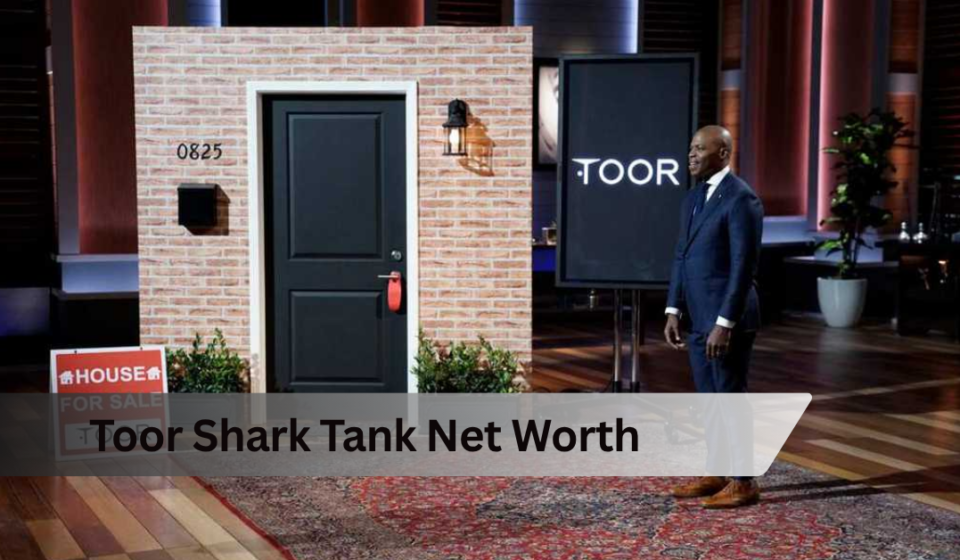

Toor, the smart lockbox company from Shark Tank, is worth about $0 today. The business closed, its app stopped getting updates, and you can no longer buy a unit. So when people search for the Toor Shark Tank net worth, the honest number for the company is zero.
But there are really three different numbers tangled up in that search, and they don’t mean the same thing. There’s the value of the company (near zero), the valuation from the show ($5 million on paper), and the personal net worth of founder Junior Desinor (not publicly confirmed). Let’s take each one in plain terms.
How much is Toor worth today?
The company itself is worth roughly nothing now. Toor stopped selling lockboxes, the website went dark, and the app has not been updated since 2019. A business with no product for sale, no active team, and no revenue has no real market value, so the practical figure is $0.
Here is a quick way to see the numbers side by side, since they often get mixed up:
| What the number describes | Figure | Status now |
|---|---|---|
| The Toor company / brand | About $0 | Closed, not operating |
| Peak company valuation | $5 million (on paper) | Never sold at that value |
| Kickstarter raised (2016) | Over $100,000 | 800 pre-orders |
| Junior Desinor’s own worth | Not publicly verified | Still active in business |
Quick takeaway: the Toor company is worth about $0. The $5 million figure was a valuation from the pitch, not a price anyone paid or a bank balance.
What was Toor and what did it do?
Toor was a smart lockbox for real estate. It attached to the door of a home for sale and let buyers, sellers, and agents schedule showings through a phone app instead of waiting on a realtor’s calendar.
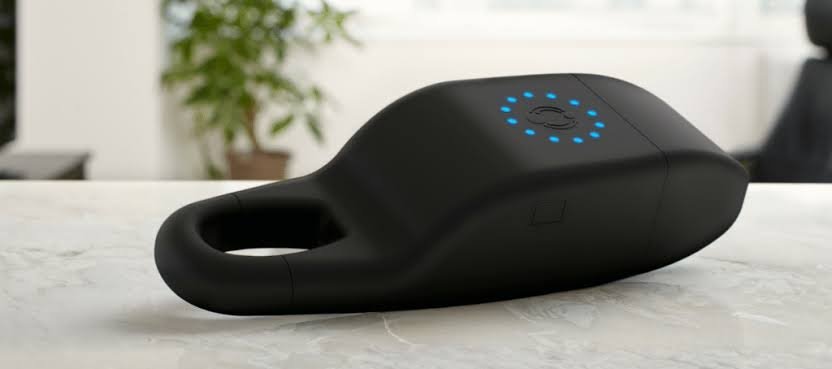
The idea solved a real headache. Normally an agent controls when a home can be seen, which slows everyone down. With Toor, a buyer who spotted a listing they liked could request access through the app. The homeowner got an alert and could grant entry remotely using Bluetooth and cellular signal.
The app also logged who opened the box and when, which added a layer of security. For owners nervous about a stranger walking in alone, there was an option to loop in a nearby realtor. The pitch leaned on that mix of speed and safety.
The Shark Tank deal, in plain numbers
Junior Desinor pitched Toor on Season 8 of Shark Tank. He asked for $500,000 in exchange for 10% of the company. That ask valued Toor at $5 million.
The valuation raised eyebrows fast. At that point Toor had not sold a single lockbox in stores. Its only traction came from a Kickstarter campaign that raised over $100,000 and locked in around 800 pre-orders. Each box cost about $50 to make and was set to sell for $199, so the margin looked healthy on paper.
Guest shark Chris Sacca pushed back hard, arguing that similar electronic lockboxes already existed in real estate. Still, two sharks saw promise. Kevin O’Leary and Barbara Corcoran teamed up and offered $200,000 for 10% equity, plus a $300,000 loan at 18% interest. Their bet was that Toor could eventually be sold to a big real estate firm.
Desinor accepted on air. But like a lot of Shark Tank deals, the agreement never closed once the cameras stopped and due diligence began. No money from the sharks ever changed hands.
Why Toor’s value fell to zero
A few problems stacked up after the show. The televised deal falling through was the first blow, since Toor lost both the promised cash and the sharks’ industry connections at the same time.

The company did ship its first boxes in 2018 and even partnered with the online store Touch of Modern. But sales stayed small and reviews were weak, which is a hard place to be in a market that already had established players like Supra and SentriLock. Without a big real estate partner behind it, Toor had no clear path to the volume it needed.
The signs of a slow shutdown are easy to trace. Social media went quiet in 2018. The app stopped updating in 2019. The website stopped responding around late 2023. Put together, that’s a business that quietly wound down rather than one that scaled.
The $5 million valuation was never a real price. It was a starting number in a negotiation, and the company never earned the sales to back it up.
Where is Junior Desinor now?
Junior Desinor kept building after Toor. He is a Dallas-based real estate broker with more than two decades in the industry, and he started his first business at 18. He founded his own real estate firm, Level Properties, back in 2011, and it has kept running.
In 2020 he and his wife opened City Naturals, a premium CBD and wellness store in Dallas that they still operate. He also invested in Balloon Therapy, a balloon garland company, and later started Good Capital Partners, a boutique investment group focused on hotels.
More recently he launched Desinor Custom Homes and broke ground on a luxury equestrian development in Lucas, Texas. He also holds three US patents from his work on Toor. You can see the original campaign that started it all on his Toor Kickstarter page, which is still online.
As for Desinor’s personal net worth, there is no verified public figure. Numbers that float around are estimates, not confirmed amounts, so the fair answer is that his own worth is unknown while his business activity clearly continues.
Frequently asked questions
Is Toor still in business?
No. Toor stopped selling its smart lockbox, the app has not updated since 2019, and the website went dark around late 2023. The company is effectively closed.
Did Toor get a deal on Shark Tank?
Yes, on air. Kevin O’Leary and Barbara Corcoran offered $200,000 for 10% equity plus a $300,000 loan. But the deal never closed after the show, so no money was actually invested.
What was Toor’s valuation on Shark Tank?
Founder Junior Desinor valued Toor at $5 million, asking $500,000 for 10% equity. The company had no in-store sales at the time, so the sharks questioned that number.
What is Junior Desinor’s net worth?
There is no verified public figure. He stays active in real estate, owns a CBD store called City Naturals, and runs newer property ventures, but his personal net worth is not confirmed.
Why did Toor fail?
The televised deal fell through, sales stayed low against established lockbox brands, and reviews were weak. Without a major real estate partner, Toor never reached the volume it needed.
Conclusion
The short version is simple. The Toor company is worth about $0 today because it closed after its Shark Tank deal collapsed and it never won the sales to justify its $5 million pitch valuation. Founder Junior Desinor, though, is still going, running real estate, a CBD store, and new property ventures, with no confirmed personal net worth on record. Treat the $5 million as a pitch number, not a real one, and you have the full picture.
Related Post:
What Is Mary Barra’s Net Worth? A Full Breakdown of Her Pay and GM Stock
Dhanani Group Net Worth: How Rich Is the Family Behind Burger King and Popeyes?
SnapClips Net Worth: Where the Shark Tank Barbell Collar Company Stands Now
Atlantic Candy Company Net Worth: What the Numbers Actually Show
The Woobles Net Worth: What the Crochet Kit Company Is Really Worth