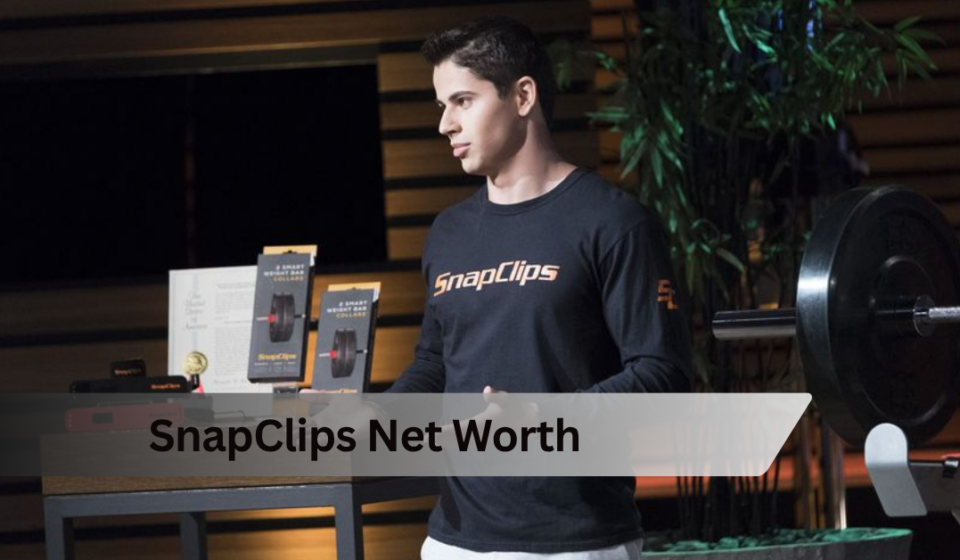

SnapClips is worth an estimated $5 million as of 2026. The company that makes snap-on barbell collars got there after a $150,000 investment from three Sharks on Shark Tank and more than $6 million in lifetime sales. Not bad for a product a high schooler first built out of slap bracelets.
That headline number is the short answer. The longer story is more interesting, and it explains why a company with a patented, well-reviewed product is worth single-digit millions rather than tens of millions. Below is the deal, the founder, the money, and where things stand now.
How much is SnapClips worth?
The best current estimate puts SnapClips at around $5 million as of 2026. The company itself is often valued closer to $2 million, and founder Martin Dimitrov has said he believes the product patent alone is worth about $1 million. These are estimates, not audited figures, so treat them as a range rather than a fixed line.
The gap between a $2 million company value and a $5 million net worth comes down to what you count. Brand value, patents, inventory, and years of steady sales all add up beyond the plain business valuation. Here is the quick version before we get into the detail.
| Detail | Figure |
|---|---|
| Estimated net worth (2026) | ~$5 million |
| Company valuation on Shark Tank | $500,000 |
| Investment secured | $150,000 for 30% equity |
| Sharks involved | Mark Cuban, Lori Greiner, Alex Rodriguez |
| Lifetime sales (by April 2024) | $6 million+ |
| Founder | Martin Dimitrov |
| Season aired | Season 9 (aired January 2018) |
| Standard price | $29.99 per pair |
Now for the parts that give those numbers meaning.
What are SnapClips?
SnapClips are weight collars, the small clamps that keep the plates on a barbell from sliding off while you lift. The twist is how they go on. Instead of a heavy spring clip or a screw collar, a SnapClip wraps around the end of the bar like a snap bracelet, then locks tight with a velcro strip.

Each clip is built from military-grade Kevlar, a very strong synthetic fiber, and reinforced with a tough rubber and fabric blend. A pair is rated to hold well over 800 pounds. They fit most standard barbells, weigh almost nothing, and slip into a gym bag, so lifters can carry their own to any gym.
The pitch to a serious lifter is simple: swap your weights faster, with a collar that holds and does not rattle loose. That is a small, real problem, and the design solves it cleanly. Keep that in mind, because it matters for the money side later.
The idea in one line: a barbell collar that snaps on like a slap bracelet and locks with velcro, so changing weights is quicker and the plates stay put.
The Shark Tank deal: what actually happened
Martin Dimitrov walked into the Tank in Season 9 asking for $150,000 for 15% of SnapClips, which valued the company at $1 million. He demoed the product, handed out samples, and shared his numbers: each unit cost $8.50 to make and sold for $29.99, and he had done $6,500 in sales in his first month, on top of his Kickstarter orders.
The room split fast. Robert Herjavec passed because the product had not entered the industrial market yet. Barbara Corcoran did not connect with it and went out too. Then it got competitive.
Lori Greiner offered the full $150,000 but wanted 50% of the business. Guest Shark Alex Rodriguez, the former baseball star, offered to split that stake with her. Mark Cuban cut in and told Dimitrov that taking half his company would be a mistake.
Cuban’s counter became the deal: $150,000 for 30%, split three ways between himself, Greiner, and Rodriguez, roughly 10% each. That valued SnapClips at $500,000, half of what Dimitrov walked in hoping for, but with three Sharks instead of one. Cuban pointed to getting NBA teams involved, Rodriguez to placing the collars in his gyms.
There was one condition. Rodriguez would only do the deal if Dimitrov stayed in college. Dimitrov agreed, shook on it, and the deal closed after the show.
Who is Martin Dimitrov?
Martin Dimitrov was 19 and a college student when he pitched on national television. He came up with SnapClips as a high schooler, frustrated by how slow and clunky standard bar clips were during gym class. A business incubator program at his school pushed students to spot everyday problems and build solutions, and the weight collar was his.
He was already comfortable with selling. In high school he worked at a telemarketing company with friends, then started his own once he understood the business. He sold cars at 16 with no formal training. That sales instinct is a big part of why a teenager could hold his own against a room of investors.
His first prototypes were literally made from slap wristbands. He spent about 18 months refining the design, reaching out to CrossFit athletes and powerlifters to test and improve it. In the spring of his senior year he ran a Kickstarter campaign that raised $23,040, about 600 orders, which funded the first real production run.
He received patents for the design in 2017 and started shipping worldwide, then drove 16 hours to make the Shark Tank audition, waited hours in line, and pitched. After graduating in 2016 he had enrolled at the University of Illinois at Chicago for a business degree in entrepreneurial studies, and he kept building the company through school, which is exactly what Rodriguez asked him to do.
Where the money comes from
The engine here is steady product sales, not a single big contract. By the end of 2018, SnapClips was selling in more than 30 countries, had opened its own store, and had signed a private-label deal to make a CrossFit-branded version. By April 2024 the company had crossed $6 million in lifetime sales.
The pricing tells you how the margins work. A standard pair costs about $8.50 to make and sells for $29.99, so the basic markup is healthy. Years after launch, the core product still sells at that same $29.99, which suggests demand has been consistent enough that there was no need to discount it.
There is also a higher tier. Alongside the plain black and orange clips, SnapClips sells patterned versions, think American flag, donuts, and printed slogans, for $49.99 a pair. Those style options let gym-goers who like to accessorize spend more, which lifts the average order value without changing the core product.
So the roughly $5 million net worth rests on three things: a durable product with good margins, a patent the founder values highly, and years of repeat sales across dozens of countries. It is a real, profitable small business rather than a fast-scaling startup.
Where SnapClips stands today
SnapClips is still in business and still selling globally through its own site and Amazon. The product line has grown into more colors and designs, and the company has hinted at new products beyond the original collar.
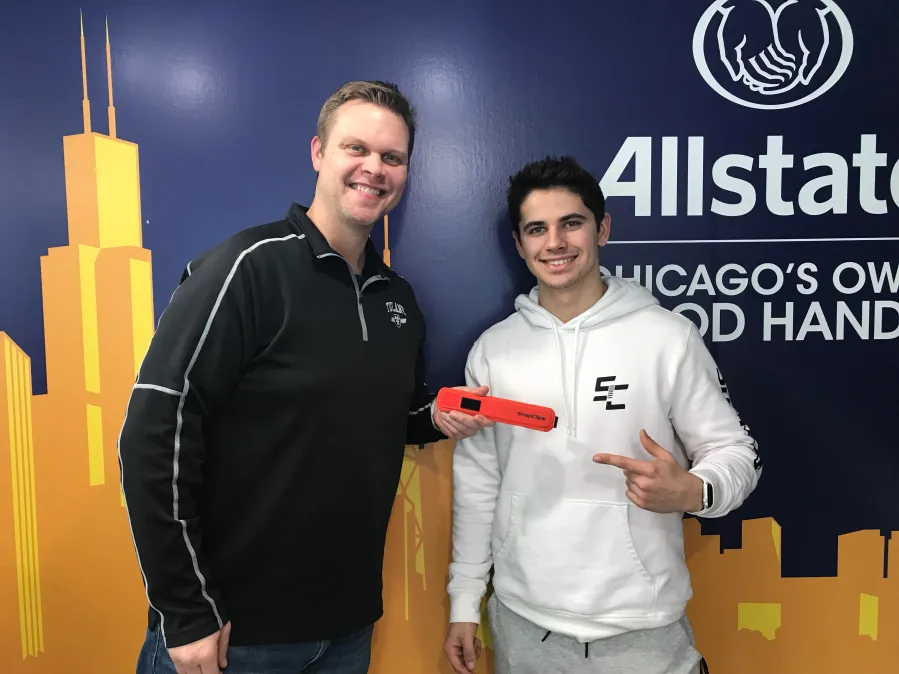
One notable update: the Sharks have exited the business. Cuban, Greiner, and Rodriguez are no longer involved. Founder exits and Shark exits are common a few years after a deal, and on their own they do not signal trouble, especially for a company that kept selling and growing afterward.
The honest limitation is reach. SnapClips solves a real problem and lifters who use them tend to like them, but the product never became a standard gym fixture. It remains a niche accessory that mostly serious lifters know about. Even the CrossFit partnership did not turn it into a household name.
There may be more in the design than barbells. On the show, Lori Greiner, who holds well over 100 patents and specializes in consumer household products, pointed out that the locking mechanism could work for organizing hoses and wires around the home. Dimitrov has said he is looking at these adjacent uses, though he has not rushed into them.
That is the fair read on SnapClips today: a well-built, patented product that turned a teenager’s gym-class annoyance into a multi-million-dollar company, sitting on a base of loyal customers, with room to grow if it can move beyond a niche.
Frequently asked questions
What is SnapClips worth in 2026?
SnapClips is estimated to be worth around $5 million as of 2026. The core business is sometimes valued closer to $2 million, with the founder valuing the patent alone at about $1 million. These are estimates, not official audited figures.
What deal did SnapClips get on Shark Tank?
Founder Martin Dimitrov got $150,000 for 30% equity, split evenly among Mark Cuban, Lori Greiner, and Alex Rodriguez. That valued the company at $500,000. He had originally asked for $150,000 for just 15%.
Is SnapClips still in business?
Yes. SnapClips still sells its barbell collars worldwide through its own website and Amazon, and has added more colors and designs. The company has crossed $6 million in lifetime sales, though the three Sharks have since exited.
Who is the founder of SnapClips?
Martin Dimitrov founded SnapClips. He came up with the idea in high school, built early prototypes from slap bracelets, and pitched on Shark Tank at age 19 while studying entrepreneurship at the University of Illinois at Chicago.
How much do SnapClips cost?
A standard pair costs $29.99, the same price as at launch. Patterned or themed versions, such as flag and donut designs, sell for $49.99 a pair. They are available on the SnapClips website and on Amazon.
Conclusion
SnapClips is worth an estimated $5 million as of 2026, built on a $150,000 Shark Tank deal for 30% (a $500,000 valuation) and more than $6 million in lifetime sales. The barbell collars still sell worldwide at $29.99 a pair, the founder still runs the company, and the Sharks have since exited. If you are judging it as a business, a good result here looks like exactly what happened: a profitable, patented niche product that keeps selling year after year.
Related Post:
San Manuel Tribe Net Worth: What the Casino Empire Is Really Worth
Trax NYC Net Worth: What Maksud Agadjani Is Really Worth
Duke the Jeweler Net Worth: The Real Story Behind the Money
Toast It Shark Tank Net Worth: Where the Arepa Brand Stands Now
Shoma Group Net Worth: What the Miami Developer Is Really Worth