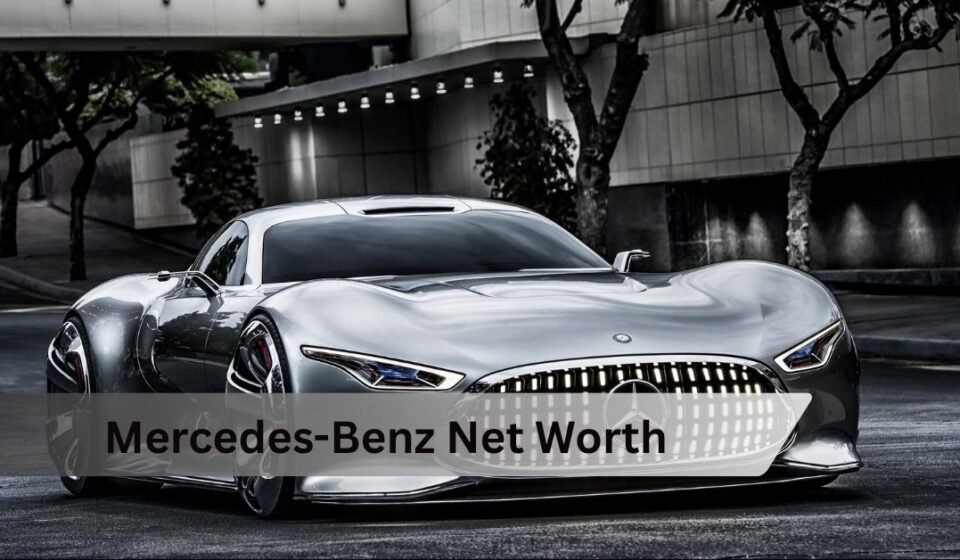

Mercedes-Benz Group AG is worth about €47 billion, or roughly $50 billion, as of mid-2026. That figure is the company’s market value, which is the price of all its shares added together. The number moves every trading day, so think of it as a range in the high-€40-billion area rather than one fixed amount.
That makes Mercedes-Benz one of the larger carmakers in the world, though not the biggest. It sits behind giants like Toyota and roughly level with fellow German brands BMW and Volkswagen. Below is what that value is built on, why it has drifted down over the past year, and how the company stacks up against its rivals.
What is Mercedes-Benz worth right now?
As of mid-2026, Mercedes-Benz Group carries a market value of around €47 billion (about $50 billion). Its shares trade on the Frankfurt and Stuttgart exchanges under the ticker MBG, and the company has roughly 957 million shares in circulation.
Here is the simple math behind the headline. Market value is just the share price times the number of shares. With the stock around €50 and close to 957 million shares outstanding, you land at €47-€48 billion. When the share price rises or falls, so does the company’s worth.
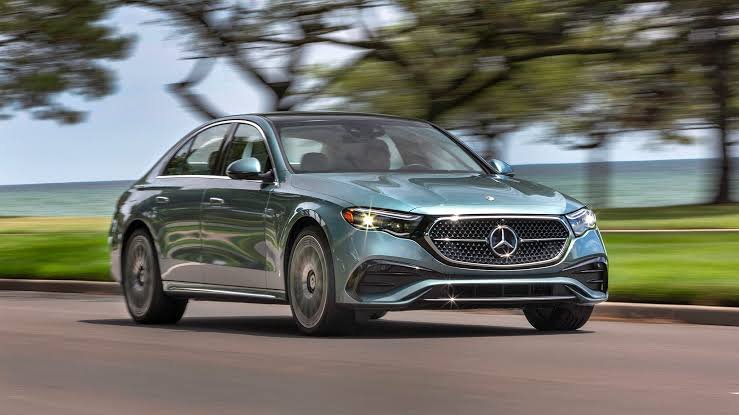
Quick take: Mercedes-Benz is worth about €47 billion. That is the market’s price tag for the whole company, and it changes daily with the stock’s price.
You will see different numbers depending on the day you check and the currency used. At the end of 2025, the company was worth about €57 billion. By spring 2026, it had eased to the mid-€40-billion range. Currency matters too: the same company looks like a bigger number in US dollars than in euros because of the exchange rate. When you compare figures, check the date and the currency first.
The value has swung a fair bit in recent years. It peaked above €72 billion at the end of 2021, then settled into the €50 to €65 billion band through 2022 and 2023 before sliding again. A quick look at the year-end figures shows the trend:
| Year-end | Market value (approx.) |
| 2021 | €72 billion |
| 2022 | €66 billion |
| 2023 | €65 billion |
| 2024 | €51 billion |
| 2025 | €57 billion |
| Mid-2026 | €47 billion |
What does “net worth” mean for a company?
For a person, net worth means what you own minus what you owe. For a public company like Mercedes-Benz, the phrase usually points to something slightly different: its market value, also called market capitalization or market cap. This is what the stock market thinks the whole business is worth today.
Market value is not the same as the cash and factories the company owns on paper. Those book values sit in the accounts and tell a different story. Mercedes-Benz reports around $110 billion in net assets, meaning total assets minus total liabilities. That is higher than its market value, which happens fairly often with carmakers because investors price in future risks like slower sales or tighter margins.
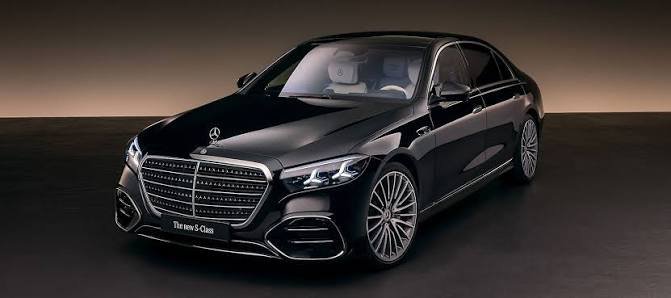
So the honest answer to “what is Mercedes-Benz worth” depends on which lens you use. The market value (around €47 billion) is the number most people mean and the one that moves with the share price. The net asset figure (around $110 billion) reflects what the balance sheet holds. Both are true; they just measure different things.
The money behind the number: 2025 revenue and profit
A company’s value rests on the money it actually makes, and 2025 was a hard year for Mercedes-Benz. The Group posted revenue of €132.2 billion, down 9.2% from the year before. Net profit fell to €5.3 billion, a drop of nearly half.
The pressure came from several directions at once. Sales slipped in China, the company’s most important growth market. New US tariffs raised costs. Unfavourable currency swings ate into results, and price competition, especially from Chinese electric-car makers, squeezed what Mercedes could charge. Operating profit, measured as EBIT, more than halved to €5.8 billion.
Here is how the key 2025 figures compare with 2024:
| Measure | 2025 | 2024 |
| Group revenue | €132.2 billion | €145.6 billion |
| Net profit | €5.3 billion | €10.4 billion |
| Operating profit (EBIT) | €5.8 billion | €13.6 billion |
| Vehicles sold | ~2.1 million | ~2.4 million |
| Employees | ~164,000 | ~166,000 |
Even in a weak year, the business threw off real cash. Free cash flow from the industrial business reached €5.4 billion, and net industrial liquidity, the cash cushion the carmaking side holds, stood at €32.2 billion. That strength is a big reason the company can keep rewarding shareholders. The full breakdown sits in the company’s own full-year 2025 results.
The company proposed a dividend of €3.50 per share for 2025 and is running a share buyback programme of up to €2 billion. Buybacks reduce the number of shares in circulation, which can support the share price over time.
Why has the value slipped
Mercedes-Benz is worth less today than it was a couple of years ago, and the reasons trace straight back to those 2025 numbers. When profit falls by half, investors mark down what they will pay for the whole company. The share price drifted lower through 2025 and into 2026, pulling the market value down with it.
China is the biggest single factor. For years, wealthy Chinese buyers drove much of Mercedes’ luxury growth. That market has cooled, and local Chinese brands now build premium electric cars that compete hard on price and technology. Mercedes has had to cut prices and rethink its approach there, and it has set a target with its local joint venture to strip out costs sharply by 2027 to stay competitive.
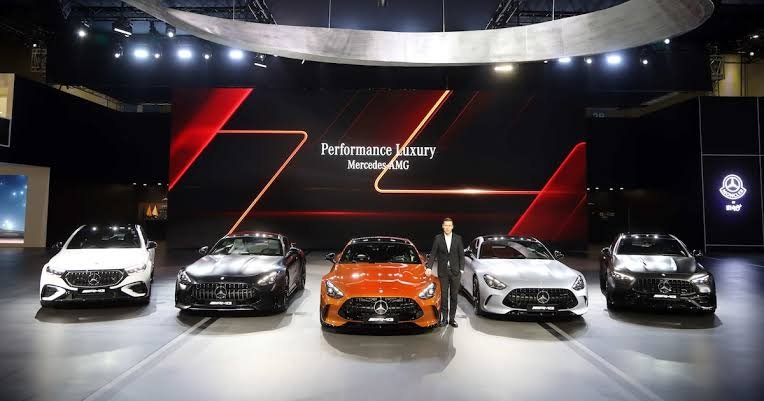
The slower shift to electric cars plays a part, too. Mercedes invested heavily in going all-electric, but buyers in Europe and the US moved to battery cars more slowly than expected. That left the company spending big on new technology while demand for those models built up gradually rather than all at once. Its answer has been to launch a wave of new models, more than 40 planned by 2027, spanning both electric and combustion cars, and early demand for fresh models like the new CLA has been strong enough to run some production lines on three shifts.
Tariffs and currency added more strain. New US import duties raised the cost of selling cars into a key market, and a weaker exchange rate trimmed the value of overseas earnings once converted back to euros. None of this is unique to Mercedes. Most of Europe’s premium carmakers felt the same squeeze in 2025.
The takeaway: the value dropped because profit dropped. Weaker sales in China, US tariffs, and currency swings all pushed 2025 earnings down, and the market repriced the company to match.
How Mercedes-Benz compares to other carmakers
A number on its own is hard to judge, so it helps to line Mercedes up against its peers. Among European carmakers, its market value sits close to BMW, Volkswagen, and Porsche, all clustered in a similar range in 2026. That grouping shows how the whole sector has been repriced, not just one brand.
Here is a rough comparison of market values in 2026 (figures move daily, so treat these as approximate):
| Company | Approx. market value | Home country |
| Mercedes-Benz Group | ~€47 billion | Germany |
| BMW | ~€45 billion | Germany |
| Volkswagen Group | ~€45 billion | Germany |
| Porsche AG | ~€40 billion | Germany |
The picture changes completely once you look beyond Europe. Toyota, the world’s largest carmaker by value, is worth several times more than Mercedes. American electric-car maker Tesla has at times been valued higher than every traditional carmaker combined, driven by investor bets on future growth rather than current car sales. So Mercedes is a heavyweight in Europe and a solid global player, but it is not near the top of the worldwide list by market value.
One thing worth remembering: market value reflects what investors expect, not just what a company builds. Tesla sells far fewer cars than Mercedes yet often carries a much larger price tag, because the market is pricing in a very different growth story.
You can see that caution in how cheaply Mercedes shares trade relative to earnings. The stock has recently changed hands at a price-to-earnings ratio in the single digits, well below fast-growing tech names. A low ratio like that tells you the market is being careful, pricing in the risk of soft sales rather than betting on rapid growth. It is a pattern shared across much of the traditional car industry right now.
What the Mercedes-Benz brand name is worth
There is another kind of value that sits apart from the share price: the worth of the Mercedes-Benz name itself. This is brand value, an estimate of how much the three-pointed star is worth as a piece of intellectual property, separate from factories and cash.
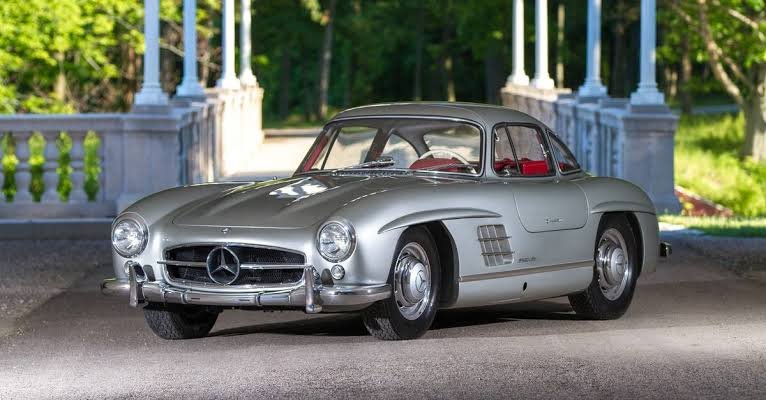
Mercedes-Benz remains one of the most valuable car brands on the planet. Recent estimates put the brand’s standalone value in the range of $50 billion to $60 billion, depending on which valuation firm you look at. In the Best Global Brands ranking, it lands among the top two or three automotive names worldwide, usually just behind Toyota and ahead of BMW.
Brand value and company market value are easy to mix up, but they measure different things. The market value is the price of the whole business on the stock market. Brand value is one expert estimate of what the name alone contributes. It is striking that the Mercedes brand name is worth close to the entire market value of the company, which shows how much of the star’s power lives in the reputation built over nearly 140 years.
Who owns Mercedes-Benz?
No single person owns Mercedes-Benz. It is a public company, so its shares are spread across many investors around the world. European, US, and other international shareholders hold the bulk of the roughly 957 million shares in circulation.
Two large shareholders stand out. A Chinese carmaker and a Gulf investment fund each hold sizeable stakes, and the rest sits with institutional investors like pension funds and asset managers, plus ordinary retail shareholders. This spread of ownership is normal for a company this size and means control is shared rather than held by one owner.
It is also worth clearing up a common mix-up. Mercedes-Benz Group is no longer the same thing as Daimler. The company was called Daimler AG until February 2022, when it renamed itself Mercedes-Benz Group. The truck business was spun off separately as Daimler Truck in late 2021, so today’s Mercedes-Benz Group is focused on cars and vans, not lorries.
Frequently asked questions
How much is Mercedes-Benz worth in 2026?
Mercedes-Benz Group is worth about €47 billion, or roughly $50 billion, in mid-2026. This is its market value, the combined price of all its shares, and it changes every trading day with the stock price.
Is Mercedes-Benz bigger than BMW?
By market value, they are very close, both sitting around €45 to €47 billion in 2026. Mercedes usually edges slightly ahead, but the two German rivals trade places often as their share prices move.
Why did Mercedes-Benz lose value in 2025?
Net profit nearly halved in 2025 because of weaker sales in China, new US tariffs, and unfavourable currency swings. When profit falls, investors pay less for the company, so its market value drops too.
What is the difference between market value and net worth for a company?
For a public company, they usually mean the same thing: market value, or the price of all its shares combined. This differs from net assets, which are what the company owns minus what it owes on its balance sheet.
Is Mercedes-Benz the same company as Daimler?
Not anymore. Daimler AG renamed itself Mercedes-Benz Group in February 2022, and its truck division was spun off as a separate company, Daimler Truck, in late 2021. Today’s Mercedes-Benz Group makes cars and vans.
Conclusion
Mercedes-Benz Group is worth about €47 billion (roughly $50 billion) in 2026, measured as the market value of all its shares. That value dipped over the past year as profit fell on weaker China sales, US tariffs, and currency swings, yet the company still earns strong cash and pays a healthy dividend. If you want the single number, use the current market value, and remember it shifts with the share price every day.
Recommended Articles:
Mike Hammond Signal Relief Net Worth: What Is Actually Known
Cerebral Success Shark Tank Net Worth: What the Company Is Worth Today
Copa Di Vino Net Worth: What the Brand Is Really Worth in 2026
Sphere Entertainment Co.’s Net Worth: What SPHR Is Really Worth in 2026
Boot Illusion Shark Tank Net Worth: Where the Company Stands Today